

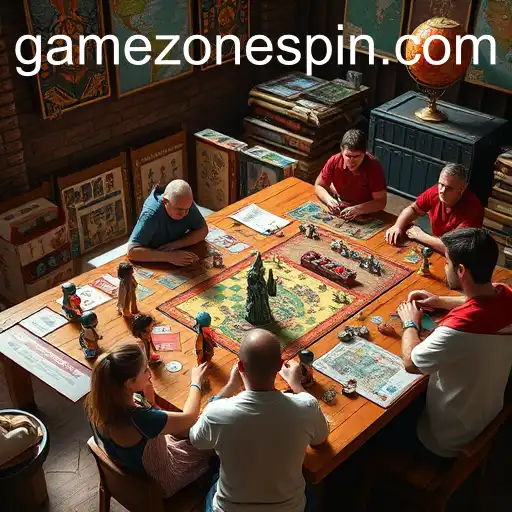

Tabletop games have seen a resurgence in recent years, offering an experience that brings friends and family around the table, away from digital screens. The charm and allure of tabletop gaming lie in its ability to foster interaction, creativity, and critical thinking. From classic board games to modern, complex role-playing games, the world of tabletop games has something for everyone. As we journey through the gamezone of tabletop gaming, we will explore its many layers and why it remains a beloved pastime for millions across the globe.
The term "tabletop game" encompasses a wide variety of games that are usually played on a flat surface, such as a table. These games range from traditional board games, card games, and puzzles to more elaborate setups involving miniatures and intricate maps. Over the decades, tabletop games have evolved significantly, integrating new mechanics and themes that cater to diverse audiences.
Board games are a cornerstone of the tabletop gaming gamezone. They have been played for centuries, with ancient classics like Chess and Go standing the test of time. In the modern era, games like Monopoly, Scrabble, and Risk have become household names. Yet, the evolution of board games has reached new heights with the advent of games like Settlers of Catan and Ticket to Ride, which have introduced innovative gameplay mechanics and strategic depth that captivate players worldwide.
Role-playing games (RPGs) offer a unique experience within the tabletop gaming sphere. These games enable players to assume the roles of characters in a fictional world, often governed by a set of rules and guided by a gamemaster. The most famous RPG, Dungeons & Dragons, has been a gateway into fantasy worlds for over four decades. The RPG gamezone thrives on creativity and collaboration, as players navigate fantastical worlds, complete quests, and develop their characters over multiple sessions.
Card games represent another vital component of the tabletop gamezone. From casual games like Uno to competitive trading card games like Magic: The Gathering, these games rely on a combination of strategy, skill, and chance. Card games are versatile and can be played almost anywhere, making them a popular choice for gatherings and tournaments alike.
In recent years, tabletop games have experienced a renaissance, fueled by a growing interest in analogue experiences. The allure of interacting face-to-face in a digital age has contributed to this resurgence. Many enthusiasts seek games that challenge the mind, foster social interaction, and provide tactile experiences that digital games cannot replicate.
The rise of crowdfunding platforms like Kickstarter has been a game-changer for the tabletop gaming industry. Independent creators and small publishers can now realize their visions, bringing innovative and diverse games to the market. These platforms have transformed the creative landscape, allowing unique and niche games to find an audience. As a result, the gamezone is more vibrant and inclusive than ever before.
Game cafés and conventions have become essential hubs for tabletop gaming enthusiasts. Game cafés provide a space for people to gather, play, and discover new games, while conventions like Gen Con and Essen Spiel serve as colossal gatherings showcasing the latest and greatest in tabletop gaming. These spaces are vital for fostering community and exposing players to a wide array of games in the ever-expanding gamezone.
Beyond entertainment, tabletop games offer numerous social and educational benefits. They help develop problem-solving skills, strategic thinking, and teamwork. Games that require negotiation and diplomacy foster communication skills, while those focused on storytelling enhance creativity and imagination. Schools and educational institutions increasingly recognize the value of incorporating tabletop games into curricula, using them as tools for engagement and learning.
Tabletop games transcend age barriers, allowing players of all generations to connect and engage. Whether it’s grandparents introducing grandchildren to the classics or young people teaching the latest strategy game to their elders, tabletop games provide a medium for shared experiences and cherished memories. The gamezone becomes a space where family and friends can enjoy quality time together, fostering bonds that last a lifetime.
Many tabletop games are designed to challenge various cognitive faculties. Players must think critically, plan strategically, and adapt to changing circumstances. Emotional intelligence also plays a role, as players learn to read their opponents, manage resources, and cope with both victory and defeat. These skills are valuable beyond the gamezone, influencing real-world interactions and decision-making.
In conclusion, the world of tabletop games offers a rich and diverse gamezone filled with opportunities for entertainment, learning, and connection. As the industry continues to grow and evolve, driven by innovation and community, tabletop games will undoubtedly remain a vital part of our cultural landscape.

Explore the captivating world of TreasureMania, a game that combines exciting adventures with intricate challenges, drawing players into the dynamic GameZone.

Discover the captivating world of MoneyPot, the latest sensation in the gamezone realm offering thrilling gameplay and strategic challenges.

Discover the thrilling escapades and dynamic gameplay of VolcanoRising in the vibrant GameZone.

Dive deep into the fiery adventures of HotVolcano, a thrilling gaming experience available in the dynamic Gamezone.

Discover the thrilling world of RicoTiger, a captivating game zone experience that combines strategy, adventure, and fun.

Explore the vibrant world of Xmas, a captivating game that brings holiday cheer to the forefront in the GameZone. Discover its unique features, gameplay mechanics, and how it ties into current events.
